Electrical Services
Consumer Unit Upgrades
Replacement and upgrade of fuse boards and consumer units across Manchester — modern protection for your home or business.
Consumer Unit Replacement in Manchester
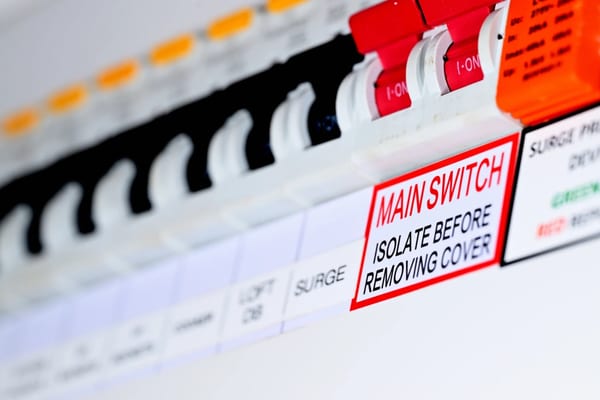
The consumer unit — commonly known as the fuse box or fuse board — is the heart of your electrical installation. It houses the protective devices that disconnect circuits in the event of a fault, protecting your property and its occupants from electric shock and fire. An outdated consumer unit may not provide an adequate level of protection required by current wiring regulations.
JD Electric 2013 LTD replaces old fuse boxes and consumer units with modern units fitted with Type A 30mA RCBOs (Residual Current Breaker with Overcurrent protection) and surge protection devices (SPDs), providing the highest level of protection for individual circuits. We serve domestic and commercial customers across Manchester and Greater Manchester.
All consumer unit replacements are carried out to the current edition of BS 7671 and are notified to Building Control by us as a NICEIC-registered contractor. On completion, we issue an Electrical Installation Certificate for any associated work.
What Is Included
- Replacement of old fuse boxes and consumer units
- Testing the whole electrical installation and rectifying the faults
- Modern consumer unit with RCBOs for individual circuit protection
- Surge protection device (SPD) fitted as standard
- AFDD fitted when required
- Fireproofing and labelling
- Electrical Installation Certificate issued on completion
- Building Control notification handled by us
RCBO and AFDD Protection
Modern consumer units fitted with RCBOs and AFDDs provide individual circuit protection, meaning a fault on one circuit does not affect the rest of the installation.
Surge Protection
We fit surge protection devices (SPDs) as standard, protecting your appliances and electronics from damage caused by high voltage spikes on the supply.
Fully Certified
All consumer unit replacements are notified to Building Control and issued with an Electrical Installation Certificate. No separate planning application is required.
Frequently Asked Questions
How do I know if I need a new consumer unit?
Signs that a consumer unit may need replacing include a fuse box with rewirable fuses or old-style MCBs without RCD protection, a plastic consumer unit, persistent tripping, or an EICR that has identified the consumer unit as requiring replacement.
How long does a consumer unit replacement take?
A standard 2–3 bedroom house consumer unit replacement typically takes two days to replace the consumer unit and test the whole electrical installation. The property will be without power for most of the first day, and will be off and on during the testing. We will advise you on the expected duration before work begins.
Does inspection, testing and rectifying the faults need to be done after replacing the consumer unit?
Although the main protections are contained in the consumer unit, the safe disconnection time can be achieved only if the whole electrical circuit is in sound condition. The circuit includes the cables and all accessories such as sockets, switches, lights, etc. That is why testing the whole electrical installation and rectifying the faults is an inseparable part of replacing the consumer unit.
Do I need Building Regulations approval for a consumer unit replacement?
Yes, consumer unit replacement is notifiable work under Part P of the Building Regulations. As a NICEIC-registered contractor, we self-certify the work on your behalf, so we will handle the notification to Building Control on your behalf.
What is a Residual Current Device (RCD) and do I need one?
RCDs and RCBOs are devices that can sense very small currents that could kill a person or animal, and disconnect the circuit. The current edition of BS 7671 requires every circuit within a residential property to be protected with a 30mA RCD.
What is an Arc Fault Detection Device (AFDD) and do I need one?
An AFDD is a device capable of sensing parallel or series arcing and cutting off the power supply, preventing fire. Installing AFDDs on socket circuits is mandatory for High Risk Residential Buildings (HRRB), Houses in Multiple Occupation (HMO), purpose-built student accommodation, and care homes.
What is a surge protection device (SPD) and do I need one?
An SPD protects your electrical installation and connected appliances from damage caused by transient overvoltages (high voltage spikes). The current edition of BS 7671 requires SPDs to be installed for all new residential installations and consumer unit replacements. We fit them as standard.
Related Services
Get a Free Consumer Unit Quote
Contact us today for a no-obligation quote on consumer unit replacement or upgrade.